Summer is won on the trees you never walk to
By late July, the buck you want to kill in October is already living his summer pattern — feeding on the same field edges, using the same trails, bedding in the same cover. The problem is simple: every time you walk in to check a card, you leave scent, make noise, and teach that deer that people show up in his living room. Do it enough and he goes nocturnal, or he leaves.
That's the whole reason cellular trail cameras exist. Hang one now, and the photos come to your phone. You can let a spot sit undisturbed for weeks — which on public land or a pressured lease is often the entire game. This guide walks the three decisions that actually matter when you buy one, and then tells you the exact camera we steer hunters toward.
What to look for before you buy a cellular trail camera
1. Carrier — this is the one that trips people up
A cellular cam only works if it can reach a tower. The single most common mistake is buying a camera locked to a carrier that has no bars on your property. Before you buy, pull up your phone in the actual spot you'll hang the camera and check signal.
- Good AT&T signal on the property → an AT&T camera is fine.
- Good Verizon signal → go Verizon.
- Not sure, or you hunt several properties? Buy a dual-SIM camera. It grabs whichever carrier is stronger where you hang it, so you're not gambling. For most hunters, dual-SIM is the safe default — it removes the one decision most likely to leave you staring at a camera that never sends a photo.
2. Power — solar is the upgrade that pays for itself
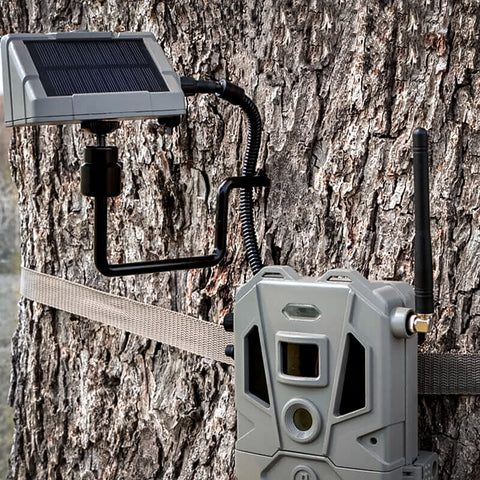
The second reason cameras go dark is dead batteries. A long summer-to-season run on a set of alkalines means at least one battery swap — which means another trip into the woods, more scent, more disturbance. A built-in solar panel keeps the camera topped off so you can genuinely hang it once and leave it until the photos roll in. Over a full season, solar isn't a luxury; it's fewer intrusions on the deer you're trying to pattern.
3. Security and protection — cheap insurance
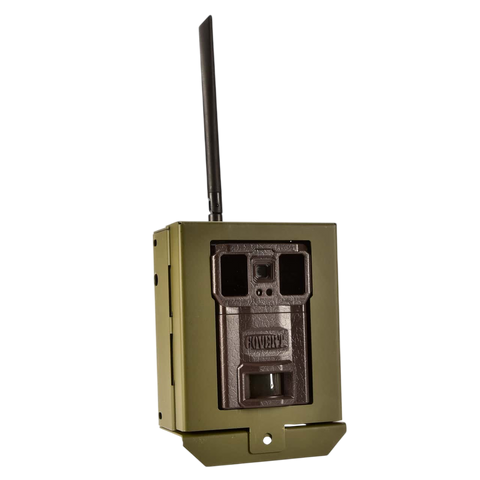
A cellular camera is a phone-connected piece of gear hanging on a tree, sometimes on public ground. A hard security case does two jobs: it protects against weather and knocks, and it deters theft and curious critters. If you're in bear country or hanging on pressured public land, a case like the WC30 Bearsafe is cheap insurance against losing a $200 camera to a bear or a walk-off.
Image quality and detection — good enough is a real bar
You don't need a studio. You need to identify a buck and read his direction of travel. A 20MP sensor with reliable detection covers that. Chasing spec-sheet megapixels past that point rarely changes whether you tag out.
The camera we recommend: Bushnell Cellucore 20 Dual SIM Solar
We're hunter-owned, and we only stock cameras we'd hang on our own trees. The one we point most people to is the Bushnell Cellucore 20 Dual SIM Solar — because it answers the two questions above in one unit.
In our words: dead batteries and dead signal are how you miss the buck that only moves at 2 a.m. The Cellucore 20 fixes both. The built-in solar panel keeps it charged through a long season. The dual-SIM design grabs whichever carrier — AT&T or Verizon — actually reaches your back forty, so you're not guessing at checkout. Add its 20MP images and you've got a camera you hang once and forget about until it starts filling your phone with pictures. At $195.95 it's a name-brand cam priced to buy two and cover more ground.
Build the “hang once” setup (and skip the mid-season trip)
If you want the version that truly runs all season without an intrusion, pair the camera with two small add-ons:
- WC30 Bearsafe Case ($25) — theft, weather, and bear protection.
- Feradyne 6.4V LiFePO4 Battery ($25) — a backup power pack for the cloudiest stretches.
Camera + case + battery runs about $246 and buys you a set-it-and-leave-it station: no card checks, no battery swaps, no extra trips telling the buck you're around.
Where to hang it in late July
Put cameras where they inform without invading the best cover: water sources, field edges, and pinch points in early-to-mid summer, then let them sit two to three weeks between reviews. You're not just collecting evening glamour shots — you're figuring out how a buck gets to food and how he leaves. Those travel routes are what let you build an actual plan for opening day. A mineral or bait site (where legal in your state) run through summer is a proven way to build a hit list.
FAQ
Do I need cell service where I hunt?
Yes — a cellular camera needs a signal to send photos. Check your phone's bars at the exact tree before you buy, and choose dual-SIM if you're unsure or hunt multiple spots.
Will solar really get me through the season?
A built-in solar panel keeps the camera topped off in normal conditions, which for most hunters means no battery swaps all season. Keep a LiFePO4 backup on hand for long cloudy stretches or heavily shaded sets.
AT&T or Verizon?
Whichever is stronger on your ground. Dual-SIM removes the guess by using the better of the two automatically.
Is one camera enough?
One patterns a single spot. Serious hit-list building usually means two or three across different food and travel areas — which is why we price the Cellucore to make a second cam realistic.
Bottom line
The hunters who tag mature bucks in October did their homework in July — quietly. A dual-SIM, solar cellular camera lets you do that homework without educating the deer. If you want one camera that removes the two ways cellular cams fail — dead signal and dead batteries — hang the Bushnell Cellucore 20 Dual SIM Solar. Ships in 3–5 business days, nationwide.
→ Shop the Bushnell Cellucore 20 Solar
Never miss an article.
We publish field skills, honest gear guides, and season breakdowns all year — written by hunters. Sign up and we'll send them straight to your inbox.