Idaho's catch-and-release record for brown trout has been broken twice in three months. On May 30, Caroline Langdale of Georgia set it with a 30.5-inch brown from the South Fork of the Snake River, beating a mark that had stood since 2016 by half an inch. On August 28, Benjamin Smith of Thatcher beat her by another half inch with a brown of about 31 inches from the Bear River in Franklin County. Idaho Fish and Game measures catch-and-release records from the tip of the snout to the end of the tail, and releases the fish.
Two records in one summer is not a fluke of the measuring tape. It says something about the water, and about the fish that are swimming in it right now, heading into the season when big browns are easiest to find and most important to handle well.
What two records in one year tells you
Catch-and-release records only exist because a state decided to keep them, and Idaho's program rewards anglers for photographing and measuring a fish and putting it back. A record that falls twice in a season usually means one of two things: more anglers are participating in the program, or there are more big fish being caught. On a tailwater like the South Fork or a productive valley river like the Bear, both are plausible at once. Either way, the takeaway for the rest of us is the same. There are 30-inch browns in rivers people drive past, and a lot of them are found in the fall.
Why fall is when big browns show themselves
Brown trout are fall spawners. As water cools and days shorten, adult browns move toward gravel spawning areas, and the biggest fish, which spend most of the year deep, under cut banks and in heavy cover, become more visible and more aggressive. Pre-spawn males in particular turn territorial; they will hit a large streamer because it looks like a threat or a meal intruding on water they are guarding.
That combination, big fish leaving cover and acting aggressively, is why so many of the year's largest browns are caught in October and November. It is also why fall brown fishing comes with an ethics debate most other seasons do not.
The debate: fishing to spawning fish
One side argues that targeting browns on or near their redds, the gravel nests where eggs are laid, is unsporting and harmful. A fish on a redd is preoccupied and easy to catch, and wading through spawning gravel crushes eggs that will not hatch until late winter. Many anglers and guides refuse to fish to visibly spawning fish at all, and some rivers close sections to protect them.
The other side points out that browns are, in many Western rivers, a non-native species, and that in some waters managers are more worried about browns crowding out native cutthroat than about protecting brown trout reproduction. Fishing for aggressive pre-spawn fish in the runs below spawning gravel, rather than on the gravel itself, is a different thing from harassing fish on redds.
Both arguments have merit, and the practical line most careful anglers draw is the same: fish the pre-spawn and post-spawn water, not the redds; learn what a redd looks like, a clean, lighter-colored oval of gravel; and never wade across one. Check your river's regulations, too. Seasonal closures exist on a lot of spawning water for exactly this reason.
How to fish fall browns
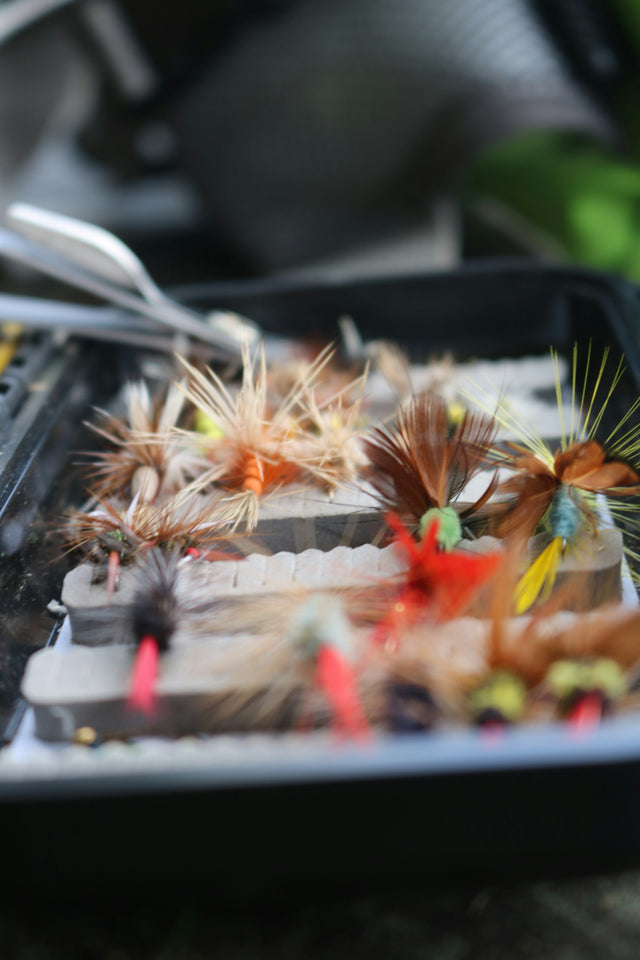
Go big. Streamers in the three-to-six-inch range, swung or stripped through deeper runs and along banks, are the classic fall brown approach. Big fish eat big meals ahead of winter.
Fish the gray days. Overcast, cool days and the last hour of light are when big browns are most willing to move to a fly. Bright, high-pressure days push them back into cover.
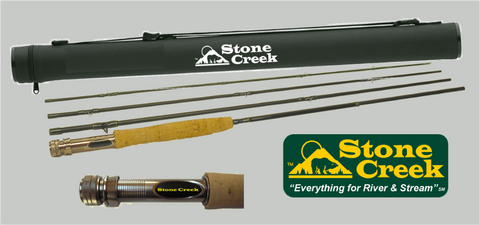
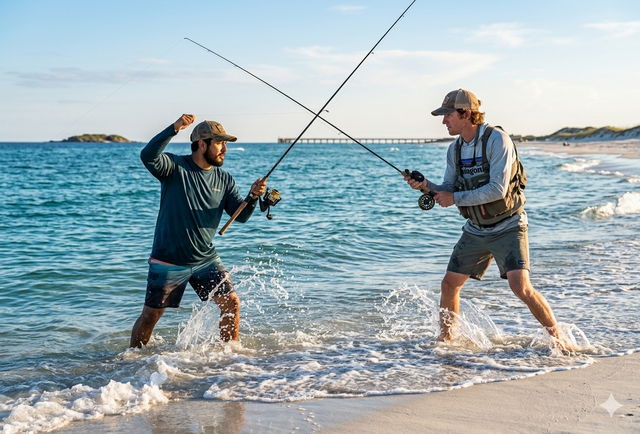
Step up your rod. A five-weight that is perfect for dry flies in summer is often too light to throw a weighted streamer and turn a heavy fish out of current. A six-weight is the usual fall upgrade. Kistler's Bakk Series fly rod in 6-weight is built for wind, bigger water and streamers, according to its maker, and the 5-weight covers dries and light nymphs the rest of the year. If you are just getting started, the Cutthroat fly rod and reel outfit is a complete, more affordable setup. Streamers and the rest of what we carry are in fly fishing. We have not fished these rods for Idaho browns ourselves; we are matching how they are built to the job.
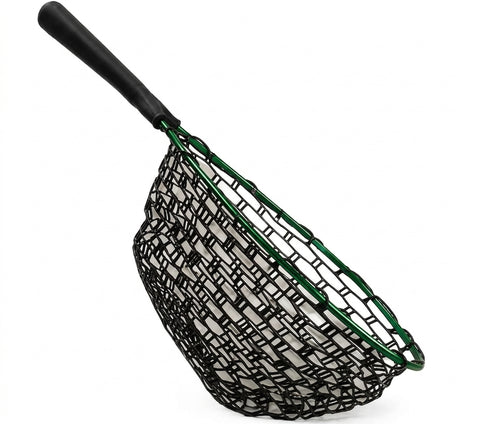
Handle them well. A 30-inch fish is old, sometimes a decade or more. Keep it wet, support its belly, take the photo fast, and revive it facing into the current until it swims off on its own. If you are measuring for a record, have the tape ready before the fish is in the net.
Where to go from here
If you are new to fly gear, our beginner's guide to rods, reels and line weight explains why a six-weight is the right step up for this. Our list of the six flies to start with covers the basic patterns before you build out a streamer box. And if fall browns get you hooked on bigger fish on a fly rod, saltwater fly fishing is the next step up in rod weight and in everything else.
Sources: Idaho Fish and Game; NBC Montana (Oct. 19, 2026); East Idaho News.