Editor's note: Regulations on bowfishing, night hours, and invasive-species harvest vary by state and water body — confirm the current rules where you fish, and verify the latest snakehead figures on your state DNR site, before you head out.
An invasive fish, a bow, and a genuine conservation win
Northern snakeheads — often called “Channa” — have spread through the Chesapeake watershed for years, and anglers have been battling them ever since. Now there's data putting a number on one of the most effective weapons against them: the bow.
A Maryland Department of Natural Resources study found that bowfishing contributes heavily to the snakehead harvest in the Chesapeake region. In other words, the growing army of bow-anglers prowling the shallows isn't just having fun — they're doing meaningful work to keep an invasive predator in check. Maryland is leaning into that hard right now, even paying charter captains up to $1,500 a trip to pull invasive fish out of the Bay.
Why snakeheads are such a problem
Snakeheads are aggressive, adaptable predators that tolerate low-oxygen water and can even survive out of water for a time. They compete with and prey on native species, and once established they're nearly impossible to fully remove. That's exactly why fisheries managers encourage anglers to harvest every one they catch — there's no catch-and-release ethic here. Removing snakeheads is the goal. It is the same containment logic driving the fight over invasive carp at Brandon Road in the Midwest, where the question is whether silver carp can survive Lake Michigan at all.
And here's the kicker: they're excellent table fare. Firm, white, mild fillets that fry up beautifully. Harvesting them is a rare case where doing right by the fishery also fills the cooler.
Why bowfishing is the perfect tool for the job
Snakeheads love shallow, weedy, backwater habitat — the kind of place where they cruise just under the surface. That makes them tough to target with conventional tackle but ideal for bowfishing, where you're hunting fish visually in skinny water. It's part fishing, part hunting, and it's booming in popularity. Better still, snakeheads sit up shallow in the warm months where you can sight-fish them in daylight — you don't need a boat rigged with lights to get started.
How to bowfish: 7 tips to put your first arrow in a snakehead
Here's where most beginners get humbled, so let's coach you through it before you waste a night flinging arrows into the mud. Bowfishing rewards a completely different skill set than target archery — the water is lying to you about where the fish is, and the fish isn't going to wait around while you aim. Read these, then go bank the reps.
1. Aim low — then aim lower
This is the one rule that matters more than all the others combined. Water refraction bends light, so the fish is always deeper than it looks. Aim where your eye says the fish is and you'll sail the arrow clean over its back — every single time, for the first dozen shots, guaranteed. The fix: hold well under the fish. A rough starting point is the “10-and-4” idea — a fish that looks about 10 feet out and a couple feet down needs you holding roughly a hand's width or more below its belly. The deeper the fish and the farther the shot, the lower you hold. Miss high? You didn't aim low enough. Miss low? You finally overcorrected — now split the difference. Let the water teach you.
2. Shoot instinctive, both eyes open
Your bowfishing rig has no sight, and that's on purpose. Don't try to “aim” the way you would at a target butt. Pick the exact spot you want the point to enter, keep both eyes open, burn a hole in it, and snap the shot the instant you hit anchor. Hang at full draw trying to perfect the picture and two things happen: your arm shakes and the fish swims off. Point, commit, release. It feels reckless the first ten times and automatic by the fiftieth.
3. Get close — this is a stalk, not a cast
Most bowfishing shots happen inside 8 to 20 feet. You're not reaching out there; you're sneaking in. Move slow, stay low, kill your shadow, and don't skyline yourself against the bank. Snakeheads feel pressure waves before they see you, so glide — don't lunge. The single biggest range upgrade you can make isn't a heavier bow; it's closing ten feet of distance quietly.
4. Lead a moving fish
A snakehead cruising the shallows needs both corrections at once: hold under for depth and lead for direction. Put the arrow where the fish is going to be, not where it is, and keep that lead low. On a fast-moving fish, that can mean holding a foot ahead and under. When in doubt, take the stationary shot — let the fish stop or turn broadside before you commit.
5. Manage your line before every shot — safety first
The reel line is the part that bites back. Before you draw, make sure the line is free and running clean off the reel, the arrow's safety slide is set correctly, and — this is non-negotiable — the line is not looped around your hand, wrist, or the riser. A line wrap on release can snap the arrow back at you or wreck the bow. And never dry-fire: no arrow on the string means no shot, ever. Build a habit of a two-second line check before each shot and it becomes muscle memory.
6. Don't overbow yourself
You do not need a 60-pound hunting rig. A draw weight in the 30-to-45-pound range is plenty for shallow-water fish — the heavy, solid arrow does the penetrating, not raw poundage. Overbow yourself and you'll fatigue fast over a long session of repeated snap shots, and you'll bury arrows in the bottom on every miss. Comfortable and repeatable beats heavy every time here.
7. Read the water and the light
Snakeheads hold in 1 to 4 feet of warm, weedy backwater — cuts, pad fields, and creek mouths. Fish the calm, low-glare windows when you can actually see into the water, and wear polarized glasses to punch through the surface shine. Flat, overcast light and slick water are your friends; a chop and a low sun in your eyes will hide fish you're standing right on top of.
The mistakes I see most
Almost every clean miss traces back to the same handful of errors: aiming at the fish instead of under it, taking shots that are too far when a quiet stalk would've gotten you close, skylining yourself so the fish bolts before you draw, letting the reel line tangle, and overbowing so your form falls apart by the tenth shot. Fix those five and your hit rate climbs overnight.
Your homework this week
Before you ever get on the water, sink a target — an old dinner plate or a gallon jug half-filled with water so it sits down — in about 2 to 3 feet of a clear pond or pool, roughly 12 feet out. Take ten shots holding under until you're consistently on it, then have a buddy drag it slowly and practice leading a moving target. Twenty minutes of that and your first real snakehead shot won't be your first shot at all.
The rig, and what we can and cannot sell you
The beauty of bowfishing is how little you need to start. A simple traditional bow is the classic platform — rugged, cheap to run, and easy to convert. Here is the honest breakdown of what Venator can outfit and what you will have to buy somewhere else.
- The bow. Say it plainly: Venator does not stock recurves. Not fiberglass beginner kits, not takedown recurves, not the traditional risers people write in asking for. It is a category we do not carry, and there is no substitute in our lineup we would pretend is one. The single bow we do sell is the SAS Atoms Modern Long Bow — and note the name, because it is a longbow, not a recurve. It is a compact modern longbow, 60 inches, that breaks down small enough to ride inside a 22-inch backpack, and SAS builds it to accept accessories including a fishing mount, which is exactly what converting a bow for bowfishing requires. That combination — packable, wet-tolerant, mount-ready — makes it a reasonable bowfishing platform. If your heart is set on a recurve, buy it from a traditional archery shop.
- The string. Another gap, so here it is up front: we do not sell bowstrings, Flemish twist or otherwise. Start every season on a fresh, quiet string anyway — a frayed one gets loud and unpredictable at exactly the wrong moment — and have it built and served to your bow's spec by a pro shop or the bow's maker.
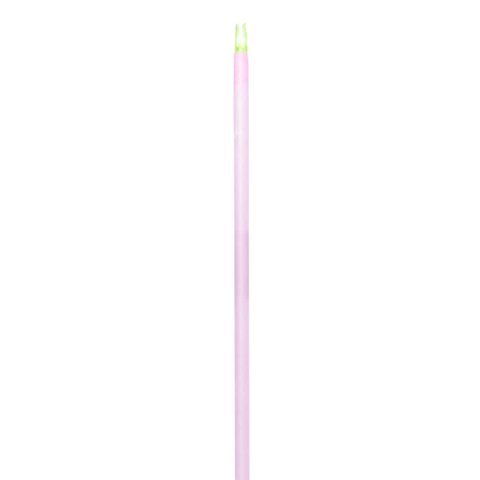
- The bowfishing kit. To turn a bow into a fishing rig you add two bowfishing-specific pieces: a reel (drum, bottle, or spincast style) that bolts to the riser, and heavy barbed solid-fiberglass bowfishing arrows — no fletching, tethered to the reel line, built to punch through water and hold a fish. That is the one part of the setup that is bowfishing-only, and it is also a part we do not carry, so plan on a specialty bowfishing retailer for the reel and the arrows.
- Keep your dry-land game sharp. Whatever bow you shoot, reps on land make you deadlier on the water. Practice and hunting shafts we do stock: the Sabre 2040 arrows and the Nightmare Xtreme 2.0 arrows both cover target and hunting work. Do protect your forearm with a proper arm guard, because string slap will wreck your form faster than any aiming error — but buy it elsewhere. Arm guards, tabs, gloves and the rest of the traditional accessory rack are not something we stock.
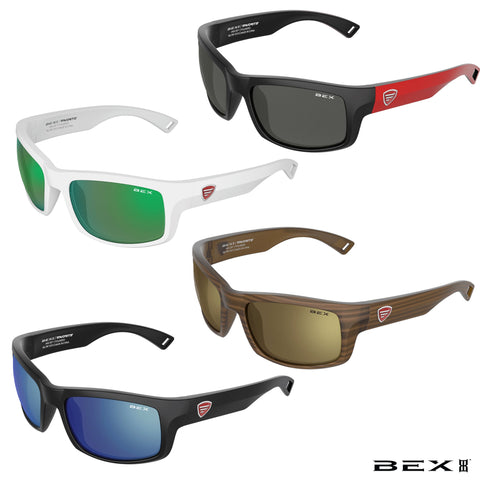
- Polarized glasses. Not optional, and this one we can help with. They cut the surface glare so you can actually see the fish you're aiming under. Pick up a pair of the Ghavert FX polarized sunglasses before you go.
Browse our archery lineup — arrows, shafts, and broadheads — and if traditional gear is where you are headed, our piece making the case for the stick bow is worth the read.
Know the rules first
Regulations vary widely by state and water body — what species you can target, seasons, legal hours (a lot of bowfishing is done at night with lights), and licensing. Snakeheads and other invasives often have special allowances, but you must confirm the rules where you fish before heading out. Never assume.
The bigger takeaway
This is the kind of story we love: a sport that's fun, challenging, and puts food on the table — while genuinely helping the fishery. The Chesapeake data is a reminder that everyday anglers, arrow by arrow, add up to real conservation impact.
Have you tried bowfishing for invasives? Tell us where and what you're shooting — and if you're snakehead-curious, this is your sign to give it a shot.