Arkansas is putting roughly 47 private rice-field and wetland-easement locations into a public duck-hunting draw for the 2026–27 season, about 3,602 acres of rice and 967 acres of Wetland Reserve Easement ground, through a program called WRICE. A $2.1 million federal grant keeps it running for the next three years. Arkansas's regular duck season runs in three segments from November 21 through January 31, and WRICE fields are hunted on weekends throughout it.
The number underneath that one is the reason the program matters: in the 2025–26 season an average of 686 hunters applied for WRICE fields every week, up from 467 two seasons ago. Demand rose 47 percent in two years for a program with roughly the same number of spots.
What WRICE is
WRICE stands for Waterfowl Rice Incentive Conservation Enhancement. The Arkansas Game and Fish Commission pays rice producers near wildlife management areas and national wildlife refuges, in the Mississippi Alluvial Valley and the Arkansas River Valley, to manage fields for wintering waterfowl and open them to public hunting through a limited draw. Landowners sign voluntary annual agreements. The money comes from USDA's Voluntary Public Access and Habitat Incentive Program (VPA-HIP). AGFC says participating farmers can earn up to $150 an acre for skipping fall tillage, flooding with surface water and allowing the weekend draw hunts.
| Item | Figure |
|---|---|
| VPA-HIP award to AGFC for WRICE | $2.1 million |
| 2026–27 contracts | 13 rice producers, 3 easement landowners |
| Acres this season | 3,602 rice + 967 WRE |
| Hunting locations this season | About 47 |
| Three-year target | About 12,000 acres rice, 3,000 acres WRE |
| Average weekly applicants | 467 (2023–24), 536 (2024–25), 686 (2025–26) |
Why it exists
The Mississippi Alluvial Valley has two access problems at once. The popular WMAs are crowded, and private duck leases have gotten expensive enough to price out a lot of local hunters. At the same time, fewer rice acres and changes in how fields are managed after harvest mean less winter-flooded habitat than ducks used to find. WRICE pays farmers to fix the second problem in a way that also eases the first.
It is also doing something most access programs do not: bringing new hunters in. AGFC reported that in 2025–26, 9.7 percent of draw winners brought a first-time hunter, 19.4 percent brought a first-time waterfowl hunter, and 22.6 percent brought someone who had quit hunting and come back.
What it does not do
It does not open these fields to walk-in hunting. Every location is assigned through the draw on a managed schedule, which is precisely why the hunts are good: the fields are rested and the pressure is controlled. And with about 47 locations against several hundred weekly applicants (AGFC said opening weekend last season drew more than 900), most people who apply in a given week will not draw. A winning permit covers the whole weekend for a party of up to four. Treat it as a bonus hunt, not a plan.
The 2026–27 season around it
Arkansas runs its duck season in three segments: November 21–29, December 10–23, and December 26 through January 31. The commission corrected an earlier publication that listed the first segment ending December 1; it ends November 29. Two other changes are worth knowing before you go:
Nonresidents are barred from waterfowl hunting at Dave Donaldson Black River WMA during the first segment, November 21 through 29, a rule AGFC adopted to reduce crowding.
On WMAs during the regular season, shooting ends at noon for everyone, except on the last day of the season and during youth and veteran hunts. Nonresidents also need a nonresident WMA waterfowl permit on top of the license and stamps; check the AGFC guidebook for current options.
If you draw
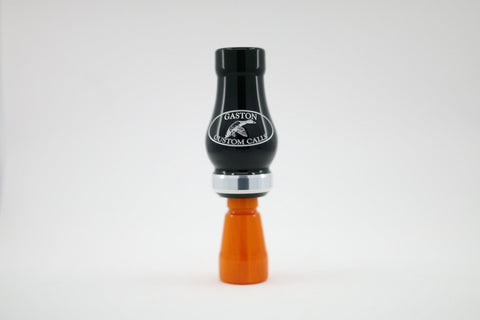
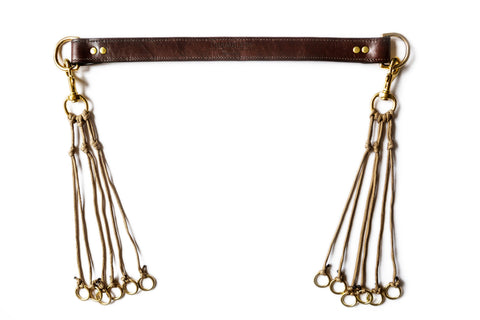
A rice-field hunt is a mallard and gadwall hunt more often than not, over shallow water and short stubble, and it rewards a call that sounds right at close range as much as one that carries. If you are in the market, our single-reed duck call guide explains the tradeoffs. The Gaston Custom Calls Timber Duck Call we carry is described by its maker as running from soft quacks and whines to a ringing hail, and it pairs with a leather and paracord lanyard. For the walk out, a strap like the Gadwall II duck carrier keeps birds off your shoulder and out of the mud. Everything else we stock for the marsh is in waterfowl and duck hunting.
On shells, rice fields mean close shots over open water. Our breakdown of steel, bismuth and TSS covers whether the premium loads earn their price at those ranges. And the broader picture for the flyway this year, mallards down 11 percent and ponds up 14, is in our 2026 duck season outlook.
Apply through AGFC's WRICE program page. Applications for each weekend open Thursday afternoon and close Sunday at midnight, and the draw runs Monday, so you know before the weekend you hunt. The schedule and rules for each location are posted there.
Sources: Arkansas Game and Fish Commission (season dates and correction, WRICE program and grant announcements); Theodore Roosevelt Conservation Partnership (Aug. 2026), quoting AGFC WRICE coordinator David Graves, for acreage, location and applicant figures; KAIT; KATV.