Fall turkey season is open in 40 states in 2026, according to the National Wild Turkey Federation's fall hunt guide. That sounds like plenty of opportunity, and it is. But underneath that number is a quieter story: several states have closed or cut their fall seasons over the past decade, and this year's rule changes keep moving in the same direction. Fall turkey hunting isn't going away. It's being reshaped, mostly around one question: should hunters be allowed to shoot hens?
Here's where things stand, what's changed, and the best version of each side of that argument.
The 2026 map
The NWTF guide lists eight states with no fall season: Arkansas, Delaware, Georgia, Louisiana, Mississippi, North Carolina, New Jersey and South Carolina. Most of those are in the Southeast, where spring gobbler counts have drawn the most concern.
Among states that kept fall hunting, the 2026 changes run mostly toward tighter rules:
| State | 2026 fall change |
|---|---|
| Ohio | Shotguns using shot are now the only legal method |
| Kentucky | Commission voted to end fall hen harvest by bow and crossbow, except for youth, starting with the 2027–28 season |
| Pennsylvania | Single-projectile firearms still prohibited; shotguns and archery only |
| Vermont | Fall archery expanded statewide, opening with deer archery |
Vermont is the exception, and a useful one. It shows the direction isn't automatic. Each state's flock is being managed on its own numbers.
Texas: a full season, with conditions
Texas fall turkey runs November 7, 2026 through January 3, 2027 in the North Zone and through January 17 in the South Zone, per TPWD's season table. It opens with the general deer season, which is why plenty of Texas fall birds are taken by deer hunters who see a flock from the blind. The NWTF guide notes two conditions worth checking before you shoot. Counties with a one-gobbler spring bag limit have no fall season, and the statewide annual bag is four birds. Bag limits and legal birds vary by county, so check yours in the Outdoor Annual.
The argument for pulling back
The case for limiting fall hunting, especially hen harvest, rests on decades of research. A Virginia study by McGhee and colleagues in 2008 found that spring harvest was highest when fall harvest was zero. Work in Pennsylvania and in Virginia–West Virginia reached similar conclusions: spring-only seasons let populations grow fastest. More recent research from Nelson et al. and Byrne et al. in 2022 adds a sharper point. A small number of highly productive "super hens" may produce much of each year's recruitment. If a fall hunter kills one of those hens, the loss is bigger than one bird.
With poult production weak in much of the turkey's range, that argument says fall hen harvest is one of the few levers an agency can pull quickly. Several states pulled it: Tennessee, Ohio, Nebraska, Arkansas, Pennsylvania, North Carolina, Kansas and Mississippi all closed or reduced fall seasons, according to NWTF's 2023 review by Brian Lovett.
The argument for keeping it
The other side is just as serious. Ohio call maker Marlin Watkins, quoted in the same NWTF review, argued that fall hen harvest is "less than 1 or 2%" of the population statewide and has no real effect on turkey numbers. Fall hunting, he pointed out, is older than spring gobbler hunting in American tradition. Several states with liberal fall seasons still hold strong turkey populations.
Researcher Patrick Wightman offered a middle view in that same piece. Fall restrictions reflect "what agencies can control at a broad scale." Habitat work and predator trapping also help recruitment, but they're slower and harder for an agency to deliver. On that reading, fall seasons get cut partly because they're the easiest thing to change, not necessarily the most important.
Both sides agree on the core problem: not enough poults are surviving. They disagree on whether fall hunters are a meaningful part of the cause.
If you're hunting fall birds this year
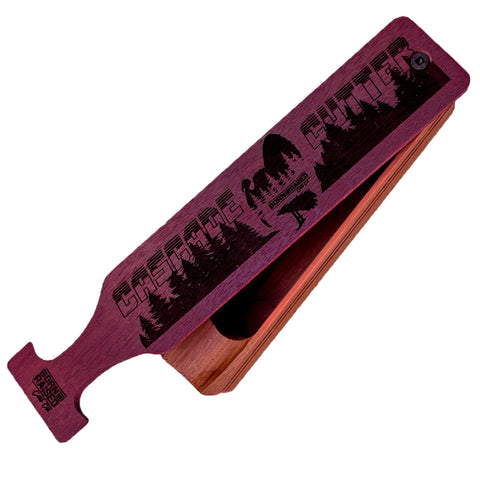
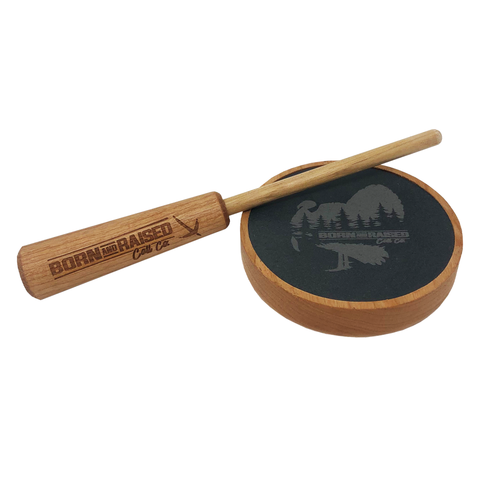
Fall turkeys aren't spring turkeys. They travel in family flocks and brood groups, and they respond to flock talk: kee-kees, clucks and assembly yelps, not gobbler-focused calling. The classic fall tactic is to scatter a flock, sit down where it broke, and call them back together with the lost-bird kee-kee. A pot call handles the soft clucks and kee-kees well. The Cherry Slate turkey pot call is one option, and the Cascade Cutter box call carries assembly yelps across a creek bottom.
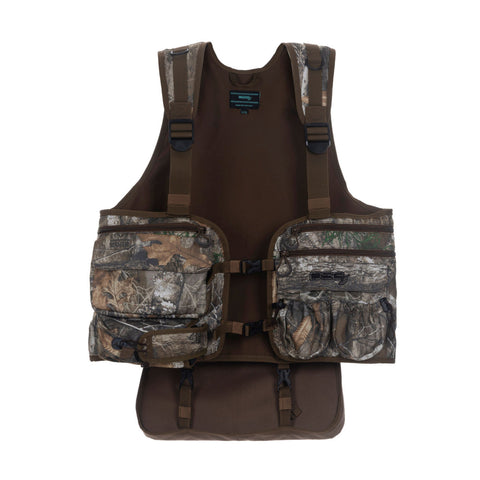
A turkey vest that keeps calls and shells organized makes a long sit at the scatter point easier, since bringing a flock back can take an hour. In Texas you may be sitting in a deer blind already, so keep a call in the blind bag. The turkey hunting collection has the rest.
For the bird itself, the basics haven't changed. Our turkey hunting guide covers behavior and setup, the complete turkey kit covers gear, and afternoon turkey hunting applies to fall roost patterns too. Check fall dates in other states in our 2026–27 season dates by state.
Where this goes
We aren't going to pick a side, because the evidence doesn't settle it. What the trend does say is that if you value fall turkey hunting, your state's poult survey matters more than any spring gobble count. That's the number your commission will look at when it decides whether your fall season stays.