Michigan's regular firearm deer season opens Nov. 15 and runs through Nov. 30, but the week before it carries a rule that catches hunters every year, and the season after it looks different from the one you remember. This year the old 10-day muzzleloader season is gone, the December hunt is three days long, and a one-buck limit is already written into the rules for 2027. Here is what the DNR's own pages say, so you can plan the next eight weeks around them.
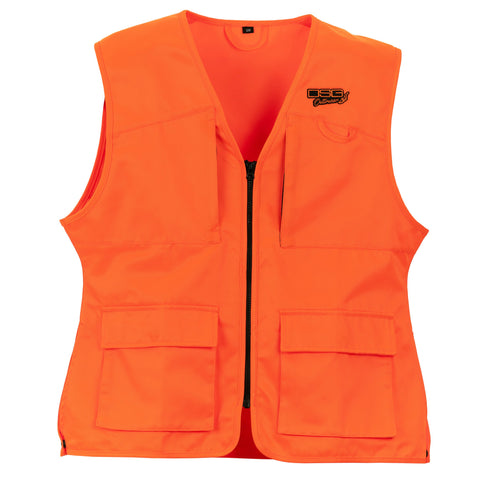
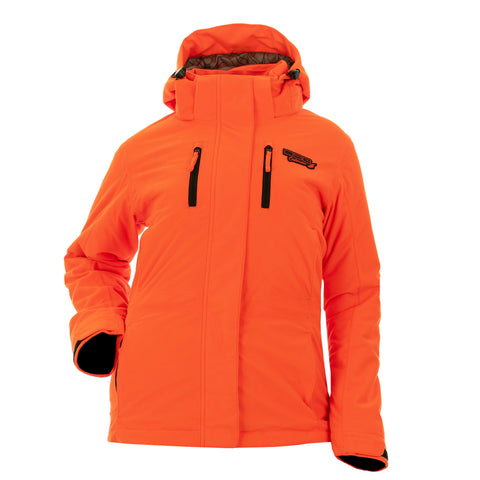
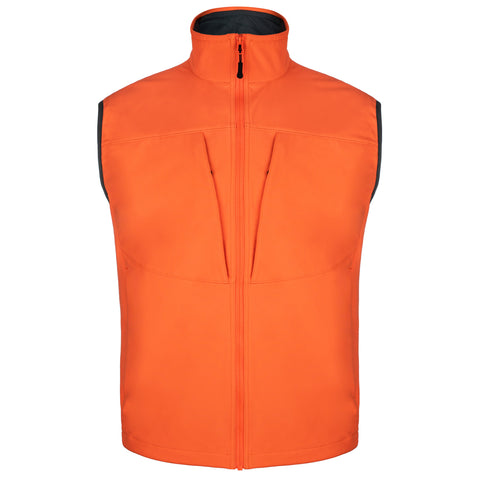
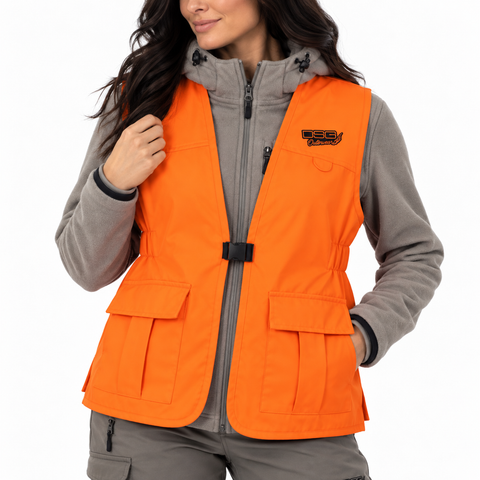
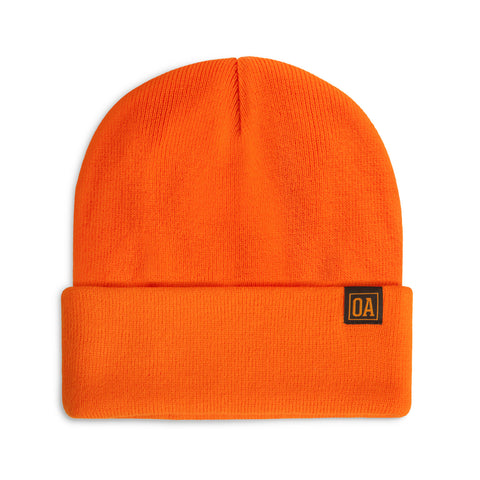
Gear that fits this hunt: the Technical Blaze Vest ($44.99) for the outermost hunter-orange layer the rule requires, and the Kylie 6.0 Blaze Jacket ($299.99) if you want the orange built into your cold-weather jacket.
A note on sourcing: Venator has not field-tested this gear. The season information below comes from the Michigan DNR; the gear links are there because the orange rule is specific about what you wear.
The quiet period: Nov. 10 through 14
The DNR's 2026 deer regulations summary lists a "quiet period" of Nov. 10 to 14. During those five days you cannot carry or transport any rifle (rimfire included) or shotgun if you have buckshot, slug, ball loads or cut shells with you. The summary makes two exceptions: you may transport a firearm to your deer camp or to a target range if it is properly transported, and you may target shoot on your own property as long as there is no attempt to take game.
The practical trap is the truck. A slug gun and a box of slugs riding to camp on Nov. 12 is a conversation with a conservation officer unless the firearm is transported the way the transport section describes. Read that section of the summary before you load up, not after.
Opening day and the hunter orange rule
The statewide regular firearm season runs Nov. 15 to 30. Archery stays open through Nov. 14 in the early segment, and the late archery segment runs Dec. 1 to Jan. 1. The hunter orange rule for firearm deer hunting is plain: you must wear a cap, hat, vest, jacket or rain gear of hunter orange. The summary adds that the orange garments must be your outermost layer and visible from all sides, and that camouflage counts only if it is not less than 50 percent hunter orange.
That last detail is where a lot of hunters get it wrong in a cold sit. If you layer an orange vest under a camo parka in the truck and then pull the parka on at the stand, you are not wearing orange as your outermost layer. Put the vest or the orange rain gear on last. Archery hunters are exempt during archery seasons, but if you hunt with archery equipment during a firearm season, the firearm orange rules apply to you. We cover the state-by-state differences in our blaze orange requirements guide, and the clothing side of a long Michigan sit in our cold-sit piece. A vest like the Technical Blaze Vest is one way to meet the rule over whatever you already wear; browse the full set in the high visibility and blaze orange collection.
Antler point restrictions still decide your buck
Antler point restrictions vary by license type and by deer management unit, and the DNR publishes charts for the Lower Peninsula and the Upper Peninsula in the summary. Youth hunters 16 and under, mentored hunters and apprentice license holders are exempt. The summary also defines a legal antlered deer as one with one antler 3 inches or longer, so check the chart for your unit and your license before you sit down, not when a buck is walking.
What changed for December
The Natural Resources Commission approved the 2026 and 2027 deer changes in May, and the DNR's release spells them out. The Statewide Muzzleloader Season drops from 10 days to three and starts on the first Friday in December. In the Lower Peninsula it is renamed the December Firearm Deer Season, and any legal firearm may be used. The DNR's season table puts both the Upper Peninsula muzzleloader season and the Lower Peninsula December firearm season at Dec. 4 to 6, 2026.
The Late Antlerless Season opens the Monday after the December season, Dec. 7, and runs through Jan. 1, 2027. The Extended Late Antlerless and January Archery seasons are eliminated, so every deer season now ends on or before Jan. 1. The Limited Firearms Deer Zone is also gone: all legal firearms, including bottleneck cartridges, are allowed throughout the Lower Peninsula. In the Upper Peninsula the antlerless access drawing is eliminated, leaving only universal antlerless licenses in the units the DNR lists.
The practical effect for a hunter who used to hold a muzzleloader tag for a slow ten days in December is a short window: three days, then a late antlerless hunt. If you plan to fill an antlerless tag, the calendar now rewards getting it done in the November firearm season or the December weekend. Also note that the DNR's summary states deer harvest reporting is mandatory, with help available at 517-284-9453.
The one-buck rule arrives in 2027
Starting with the 2027 seasons, the Lower Peninsula moves to a one-buck limit; the Upper Peninsula is unchanged. A single deer license will be valid for one deer with at least three antler points on one side, or one antlerless deer. A combination license allows one antlered and one antlerless deer, or two antlerless deer. Existing DMU-specific antler point restrictions stay in place.
The release also describes an "earn a second buck" pilot in Zone 3, the southern Lower Peninsula. Under it, a hunter would first have to take an antlerless deer before becoming eligible for a second buck, which would carry a four-point antler restriction. As of the DNR's May release, the participating counties had not been named. The DNR describes the purpose of the package as supporting healthy deer populations while balancing hunter opportunity and public feedback. Fox 2 Detroit's report on the commission's vote ties the effort to a goal of improving the buck-to-doe ratio after hunters shot more bucks than does last season. Whether a one-buck limit does that, and what it costs hunters who like to fill a second buck tag, is a debate the DNR's release does not settle, and hunters who care about herd structure and hunters who care about opportunity can both make a real case.
What to do this week
Check your unit's antler restriction chart, confirm what you can and cannot carry between Nov. 10 and 14, and decide now how you will meet the orange rule over your cold-weather layers. Pressure matters too: our look at weekend hunting pressure and deer movement and the guide to the all-day November sit are worth a read before the opener.
Frequently asked questions
When does Michigan's regular firearm deer season run in 2026?
Nov. 15 through Nov. 30, statewide, per the DNR's season table.
What is the Nov. 10 to 14 quiet period?
A five-day span in which you may not carry or transport a rifle or shotgun with buckshot, slug, ball loads or cut shells, except when transporting a firearm properly to camp or a range, or target shooting on your own property with no attempt to take game.
Does orange camouflage count as hunter orange?
Camouflage counts if it is not less than 50 percent hunter orange. The orange garment must be your outermost layer and visible from all sides.
How long is the December firearm season this year?
Three days, Dec. 4 to 6, 2026. The late antlerless firearm season follows from Dec. 7 through Jan. 1, 2027.
When does the one-buck rule start?
With the 2027 seasons, in the Lower Peninsula only, according to the DNR's May 2026 release.
Sources: Michigan DNR, 2026 deer hunting regulations; Michigan DNR, 2026 Deer Hunting Regulations Summary; Michigan DNR, Natural Resources Commission approves deer regulation changes for 2026 and 2027; FOX 2 Detroit.