Published October 30, 2026. Dates and rules are from DEC's 2026 season announcements.
New York's Southern Zone regular firearms season opens Saturday, November 21 and runs 23 days through December 13. The rule change that matters most this year is simple to state: every hunter gets one antlered tag with their license, and if you harvest and report an antlerless deer on a valid antlerless tag, DEC issues you a second antlered tag.
Put plainly, New York is paying for does with bucks. That is a different lever from the one most states pull, and it says a lot about what the agency thinks is wrong with its harvest.
What changed for 2026
| Rule | 2026 |
|---|---|
| Southern Zone regular season | Nov. 21 – Dec. 13 |
| Northern Zone regular season | Oct. 24 – Dec. 6 (open now) |
| First antlered tag | Issued with license; valid any season except the September antlerless season |
| Second antlered tag | Earned by harvesting and reporting an antlerless deer on an antlerless tag |
| WMUs with unlimited Deer Management Permits | 23 |
| Southern Zone late bow/muzzleloader | 9 days following the regular season, plus Dec. 26 – Jan. 1 |
How the second tag works
The qualifying tags are the ones built for antlerless deer: a Deer Management Permit, a Bow/Muzzleloader Antlerless Deer Tag, or a DMAP tag. Fill one of those, report it, and the second antlered tag is issued and usable in the same seasons as the first. Reporting is the step people will miss. A doe that is tagged but not reported does not earn anything.
The 23 units with unlimited DMPs are 1C, 3M, 3P, 3R, 3S, 4J, 6P, 7F, 7H, 7J, 7R, 8A, 8C, 8F, 8G, 8H, 8J, 8N, 8R, 8S, 9A, 9F and 9G. In those units, any hunter who applies during the season receives the permits, so there is no reason a hunter in western or central New York should go into the opener without an antlerless tag in hand.
Why DEC is doing this
DEC's own explanation is that adult does are the primary driver of population growth, and the new regulations were adopted specifically to raise the antlerless harvest. Unlimited permits alone only go so far, because a permit in your pocket is not a doe on the ground. The earn-a-buck structure attacks that directly: it gives the hunters most motivated by antlers a reason to shoot a doe first.
This is a softer version of earn-a-buck rules some states tried in the 2000s, where hunters had to kill a doe before they could shoot any buck. New York is not requiring a doe. It is rewarding one.
The case people make against it
The most common objection is about age structure, not doe numbers. A second buck tag statewide means more young bucks can be shot by the same hunter, and hunters who have spent a decade passing yearlings worry that a second tag undoes some of that. The counter-argument is that the second tag only goes to hunters who first took a doe, which limits how many are issued, and that a herd with fewer does relative to bucks tends to produce a tighter, more competitive rut. We covered that research in what the buck-to-doe ratio actually does to the rut. Both points have merit, and New York is effectively running the experiment.
It is worth comparing to where neighbors went. Michigan went the other way with its one-buck rule, protecting bucks to shift age structure. Missouri dropped its antler-point restrictions to simplify the rules. Three agencies, three different answers to slightly different problems.
What it means for opening day
The Southern Zone regular season is where New York's deer harvest happens. In past years DEC has said roughly 85 percent of the state's licensed hunters take part, and that season accounts for about 60 percent of the statewide deer harvest. If you hunt it, the most productive change you can make is to carry a DMP and be willing to use it the first morning a doe gives you a clean shot. The second buck tag arrives after you report.
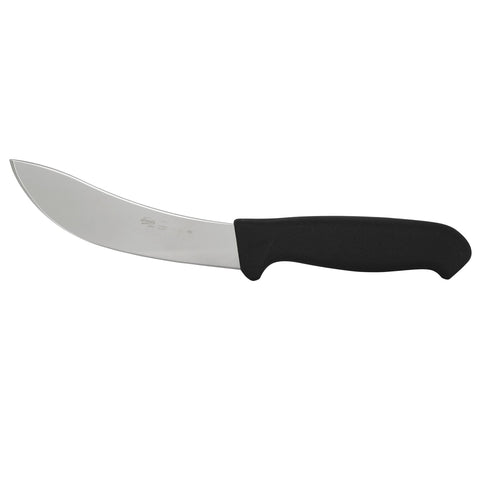
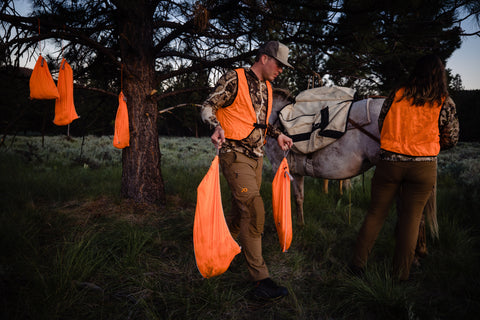
New York does not require adult hunters to wear orange, but junior hunters and their mentors must, and DEC strongly recommends it for everyone during the regular season. A solid fluorescent cap like the Vycah Blaze Cap is the easiest way to be seen from every direction in hardwoods. If you are processing a doe and a buck in the same week, a dedicated narrow boning knife makes the second deer go faster, and the rest of what we carry for butchering is in knives and tools.
DEC also covers processing costs for hunters who donate whole deer or venison through participating processors and Feeding New York State. If the second tag leaves you with more venison than your freezer holds, that is the place for it. For more on how states are leaning on hunters to take more antlerless deer, we have been tracking it all season.
Sources: NYSDEC press release on 2026 big game seasons (Oct. 2026) and DEC deer season structure page; WKTV; WKBW.