Tennessee's statewide gun season for deer opens Saturday, Nov. 21, and runs through Sunday, Jan. 3, 2027, in all six deer management units. It is the first gun season since the state legalized hunting deer over bait, and that change comes with a $50 license, a list of 26 counties where it still doesn't apply, and site rules that are easy to break by accident. Here is what the Tennessee Wildlife Resources Agency (TWRA) says about baiting, the CWD zone, the new equipment rules and the limits, with the details worth checking before opening morning.
Gear that fits this hunt: the Orange Aglow Ridgerunner Softshell Jacket, a quiet blaze orange outer layer cut with room for insulation underneath, and the Orange Aglow Ridgerunner Softshell Vest, a fleece-backed orange vest that goes over the coat you already hunt in.
The calendar and the limits
- Gun/muzzleloader/archery: Nov. 21, 2026 through Jan. 3, 2027, statewide. Muzzleloaders and archery equipment stay legal through the gun season.
- Young Sportsman hunt: Jan. 9-10, 2027, for ages 6 to 16 with a non-hunting adult 21 or older, who must also meet the orange requirement.
- Hunting hours: 30 minutes before sunrise to 30 minutes after sunset. Centerfire rifles and handguns can't be used outside those hours.
The statewide antlered limit is two, no more than one a day. An antlered deer has at least one antler 3 inches or longer. Antlerless limits depend on the unit: three per day in Units 1, 2 and 3, and two for the whole gun season in Units 4, 5 and 6. The limits can be exceeded only with a bonus deer on certain WMAs, under the Earn-A-Buck program in a CWD-positive county, or as a replacement buck. Moving to another county in the same unit doesn't reset your antlerless count. The season runs through Thanksgiving week; if you plan to stay on stand through the middle of the day, our guide to the all-day sit covers how to last.

Hunting over bait: what the new license allows
Public Chapter No. 444, passed by the General Assembly and signed in the 2025 session, created the Deer Bait Privilege License. It went on sale July 22 through GoOutdoorsTennessee.com and the TWRA On The Go app and costs $50 for residents and $100 for nonresidents. Anyone hunting deer over bait needs one, including youth, lifetime license holders and hunters who are otherwise license-exempt. It covers white-tailed deer only, on privately owned or leased land. By Sept. 8, before archery season opened, about 5,400 had sold, TWRA Wildlife and Forestry Chief Joe Benedict told reporter Richard Simms.
The site rules
- A property of 5 acres or less gets one bait site. Larger properties get one site per 5 acres, and sites must be at least 500 yards apart.
- No more than 5 gallons or 25 pounds of bait can be available at a site in any 24-hour period.
- Bait must be scattered on the ground, not piled, and open trough feeders are illegal. Other feeder styles are legal.
- No other big game can be taken within 250 yards of a bait site, and neither can deer if you don't hold the license.
Allowed: grains, natural food and products made for feeding deer, including pellets, flavored corn and minerals. Not allowed: processed foods such as sugar, syrup, candy and peanut butter. Scent sprays and salt blocks don't count as bait.
Where it's still illegal
Baiting is banned on all public land, on private inholdings surrounded by WMAs or public hunting areas, and inside Gatlinburg's No Feeding Zone. The license can't be used in the CWD Management Zone or any CWD-positive county: Benton, Carroll, Chester, Crockett, Decatur, Dickson, Dyer, Fayette, Gibson, Hardeman, Hardin, Haywood, Henderson, Henry, Humphreys, Lake, Lauderdale, Lewis, Madison, McNairy, Obion, Shelby, Tipton, Wayne, Weakley and Williamson. If your county turns CWD-positive during the season, a license you already hold stays valid through the season. Without the license, the old rule applies: bait has to be removed and any electronic feeder disabled at least 10 days before you hunt there. Food plots and normal farming practices don't count as baiting.
The baiting argument, both sides
The case for it rests on private land and deer numbers. The legislature made baiting a landowner's choice on property they own or lease, and for someone hunting a small tract it is a legal way to hold deer that was off the table a year ago. Benedict said the agency isn't alarmed yet: "We've got areas of the state with 50 or 60 deer per square mile in West and parts of Middle Tennessee." He also argued the buck limit caps the effect: "They may be killing bucks earlier with bait, but it doesn't mean they'll kill more."
The case against comes largely from TWRA's own science. The license was created after TWRA biologists had argued for years against it, Simms reported. The agency's deer page lists the risks: animals crowding the same soil raises the chance of spreading CWD, bovine tuberculosis and brucellosis. Corn stored warm and damp can grow aflatoxins that are harmful or lethal to wildlife, with wild turkey poults and bobwhite quail most at risk. Bait also draws raccoons, hogs and black bears, and a sudden winter switch to grain can cause fatal acidosis. Benedict also described a neighbor effect, where hunters who see fewer deer after the property next door starts baiting may decide "in order for me to have the same probability of killing deer" to bait too.
If you do bait, TWRA says to use USDA-approved feed tested for aflatoxins, keep it dry, clean feeders with bleach, and stop if you see sick deer.
CWD zone, carcasses and deer urine
The CWD Management Zone is the 20 counties west of the Tennessee River. Whole or undressed carcasses can't leave it. Approved parts, meaning deboned meat, clean skulls, skull plates and teeth, antlers, finished taxidermy, hides and tanned products, move freely. The same rule covers deer, elk, moose and caribou brought in from out of state. Our CWD rules by state compares Tennessee with its neighbors, and our field-dressing and carcass rules guide covers the handling.
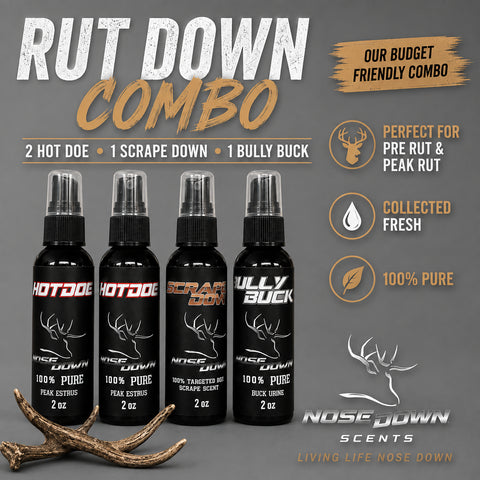
One rule many hunters miss: natural deer urine is illegal to use or possess while hunting unless the label carries the manufacturer's certification that the facility meets a list of CWD standards, including RT-QuIC testing of each batch. Check the bottle before you hang a drag rag.
Straight-walls and drone recovery
Since Aug. 1, 2026, straight-walled cartridges are legal during gun season. TWRA defines one as a centerfire metallic cartridge of .35 caliber or larger that doesn't substantially taper from base to mouth. The single-shot, private-land-only straight-wall window inside muzzleloader season ran Nov. 14-20 and is now closed; our Tennessee straight-wall breakdown covers that hunt.
Drones can now be used to find a mortally wounded deer over private land with permission, from 30 minutes after sunset to 3 a.m., flown by an FAA-certified pilot with a thermal drone and no weapon in hand. They can never be used to hunt.
Orange, hunter ed and check-in
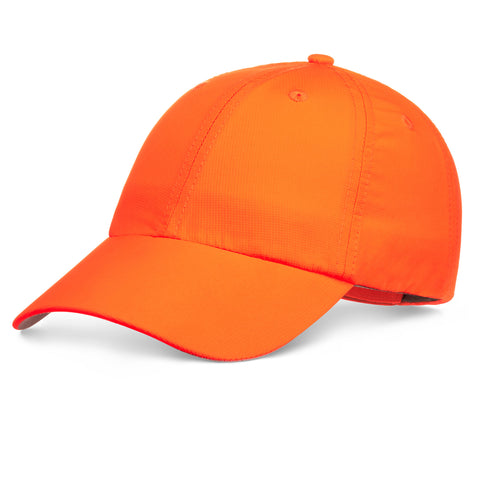
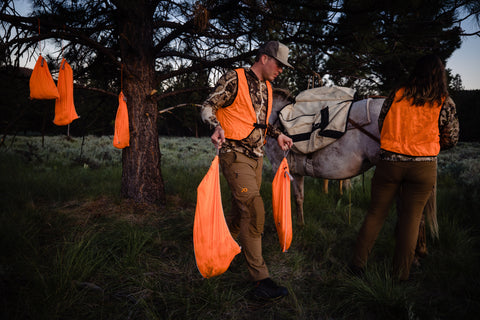
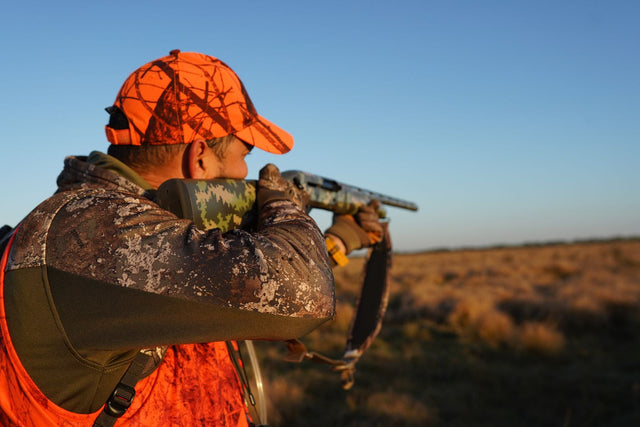
Gun-season big game hunters must wear at least 500 square inches of daylight fluorescent orange or fluorescent pink on the upper body and head, visible front and back. TWRA says a hat and vest meet the requirement, and camo orange is legal if it contains 500 square inches of fluorescent color. Landowners hunting their own property are exempt, though TWRA calls following the rule the best safety practice. Our state-by-state blaze orange guide shows how Tennessee compares.
A solid orange layer is the simplest way to cover the rule over bulky clothes. The Ridgerunner Softshell Vest goes over a jacket, the Ridgerunner Softshell Jacket makes the outer layer the orange, and more options are in the blaze orange hunting gear collection. Venator has not field-tested this gear; the picks come from the specifications and construction, and they were chosen by people who chase whitetail.
Anyone born on or after Jan. 1, 1969, must carry proof of hunter education or an Apprentice Hunter Education Permit. Every harvested deer must be checked in.
Frequently asked questions
When is Tennessee's 2026 gun season for deer?
Nov. 21, 2026 through Jan. 3, 2027, in all six units. The Young Sportsman hunt follows on Jan. 9-10.
Can I hunt deer over bait in Tennessee this season?
Yes, on private or leased land with a Deer Bait Privilege License ($50 resident, $100 nonresident), outside the CWD Management Zone and CWD-positive counties, and within the site rules.
How many deer can I take during gun season?
Two antlered statewide, one per day. Antlerless: three per day in Units 1-3, two for the season in Units 4-6.
Does camo orange count in Tennessee?
Yes, if it contains at least 500 square inches of daylight fluorescent orange or pink, visible front and back.
Sources: TWRA, "2026-27 Gun Hunting Season for Deer Opens November 21" (Nov. 17, 2026); TWRA deer hunting page (season dates, bag limits, CWD zone, Deer Bait Privilege License rules, baiting considerations); TWRA general hunting regulations (legal devices, straight-walled cartridges, drone recovery, bait removal, deer urine, hunting hours); TWRA big game page (fluorescent orange/pink); TWRA, "New Deer Bait Privilege License Available July 22" (July 15, 2026); Richard Simms, "Tennessee's new deer-baiting law is already changing the hunting landscape," WTVC/WJLA (Sept. 10, 2026). All opened Nov. 20, 2026.