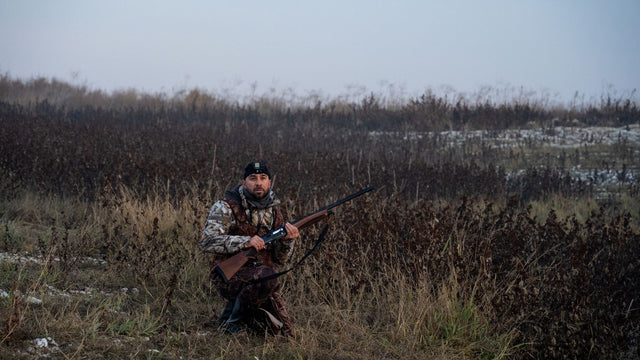
Most of the whitetail country north of Alabama has already had its rut. In much of Alabama, the main event hasn't started. The state's own biologists say the predominant breeding period for most of the state runs from the last two weeks of January through the first two weeks of February, and that some pockets of deer breed as early as November. Same species, same state, a three-month spread. The reason isn't weather or latitude. It's where the deer came from.
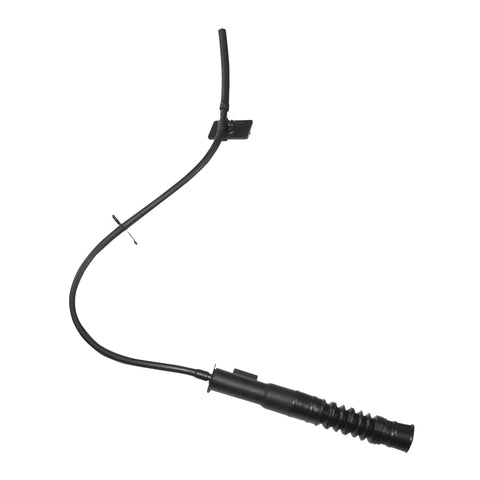
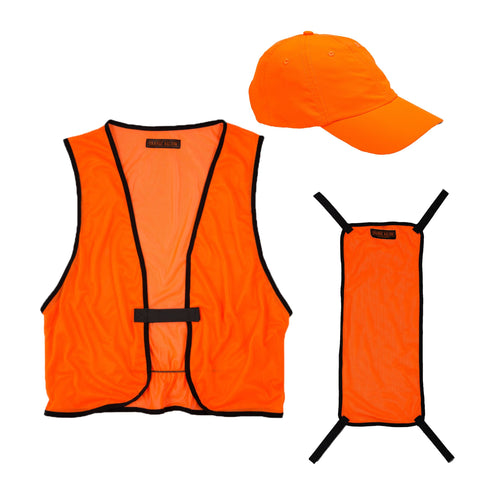
Gear that fits this hunt: the Killz Hands-Free Grunter, a deer grunt call worn around the neck so both hands stay on the gun when a cruising buck shows, and the Orange Aglow Ultimate Visibility Kit, a solid blaze orange mesh vest, safety panel and cap for the walk to and from the stand.
Why Alabama deer don't rut on one calendar
By the early 20th century, overharvest had pushed Alabama's deer into a few isolated pockets, mostly in the southwest corner of the state. The restocking that followed, carried on through much of the middle of the century, did two things. It trapped deer around Clarke County and moved them to other parts of the state, and it brought in deer from Arkansas, Georgia, Michigan, North Carolina, Ohio, Texas and Wisconsin, according to the Alabama Department of Conservation and Natural Resources.
The transplanted deer kept the breeding schedule of the herds they came from. Decades later, the rut on a given property still tends to follow the bloodline that was released there. Wildlife and Freshwater Fisheries Director Chuck Sykes has described fawns being born anywhere from June to September and early October, a range most Midwestern biologists would never see inside one state.
His comparison is the clearest way to put it. In Illinois, he said, nearly every deer in the state is rutting in the first ten days to two weeks of November. In his words: "In Alabama, you can hunt the rut in November, December, January and February."
What the rut map is built on
Wildlife and Freshwater Fisheries publishes an Alabama Deer Rut Map on OutdoorAlabama.com, produced under Deer Program Coordinator Chris Cook and Assistant Wildlife Chief Amy Silvano. It isn't built on scrape counts or trail-camera chasing. Sykes said it combines three things: the historic stocking records, the herd health assessments the department runs each spring, and fetal collections, which use fetuses from harvested does to back-date when each doe was actually bred.
That last point matters. Hunters often call it the rut whenever bucks start chasing. The map is dated to conception, so the visible pre-rut activity will usually show up ahead of the dates printed for your area.
The broad pattern
- Most of the state, especially the south: peak breeding from the last two weeks of January into the first two weeks of February, based mainly on the southwest Alabama genetics that were spread across the state.
- Much of north Alabama: mid to late December and the first couple of weeks of January, with isolated pockets that breed like south Alabama deer because they were stocked from the Clarke County area.
- The Chattahoochee River side, around Russell County: pockets that start in the first week of November and run through January.
Sykes's own example shows how tight the boundaries can be. On a 5,000-acre Lee County property he once managed on the Georgia line, deer that had come over from Georgia rutted the first week of December, does that weren't bred came back into heat in the first ten days of January, and the traditional Alabama deer across the road kicked in around January 15 to 20. Three peaks on one property.
The 2026-27 dates that line up with a late rut
The season structure follows the biology. Zones A, B and C and the CWD Management Zone opened gun season on Nov. 21; Zones D and E, the two small zones in north and east Alabama, opened Nov. 7 and close earlier. These are the dates on ADCNR's 2026-27 deer season page:
- Zones A and B, private or leased land: gun season, either sex, Nov. 21, 2026 to Feb. 10, 2027. Archery also runs to Feb. 10.
- Zones A and B, open permit public land: antlered bucks only Nov. 21 to Dec. 11, either sex Dec. 12 to Jan. 3, then antlered bucks only Jan. 4 to Feb. 10.
- Zone C, private land: either sex Nov. 21-29, bucks only Nov. 30 to Dec. 11, either sex Dec. 12 to Jan. 1, bucks only Jan. 2 to Feb. 10.
- Zone D, private land: either sex Dec. 12 to Jan. 1, then bucks only Jan. 2-27. Zone E, private land: either sex to Jan. 15, bucks only Jan. 16-27.
- Dog deer hunting, where allowed, closes Jan. 15 in Zones A, B and C and the CMZ.
The practical read: across most of the state, the stretch from mid-January to Feb. 10 is open gun season that overlaps the predominant breeding window. Check the zone map, then check the rut map for your property before you plan vacation days.
Buck rules: three, and one has to be big enough
The statewide limit is three antlered bucks per hunter across all seasons, one per day. One of the three must have at least four points of an inch or longer on one antler. Barbour County runs its own rule: every antlered buck must have at least three points on one side, except during the statewide youth dates. A selected set of Wildlife Management Areas offers a bonus buck that doesn't count against the three, validated at the WMA check station. If you hunt the CWD Management Zone in Lauderdale, Colbert or part of Franklin County, the dates and carcass rules differ; our CWD rule changes by state covers the regional picture.
Antlerless limits are daily during the unantlered seasons: in Zones A, B, D, E and the CMZ, two unantlered deer, or one unantlered and one antlered buck, per day. In Zone C it's one of each.
Orange or pink, and where it's not required
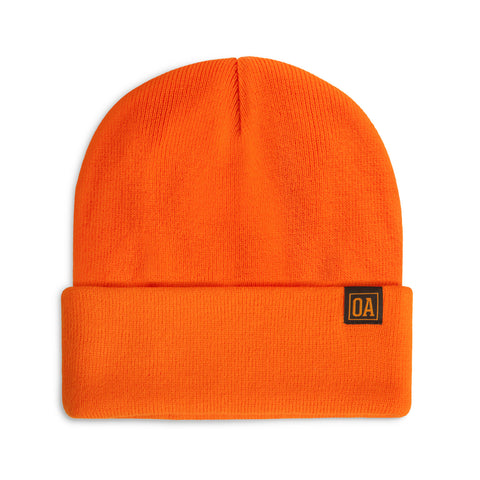
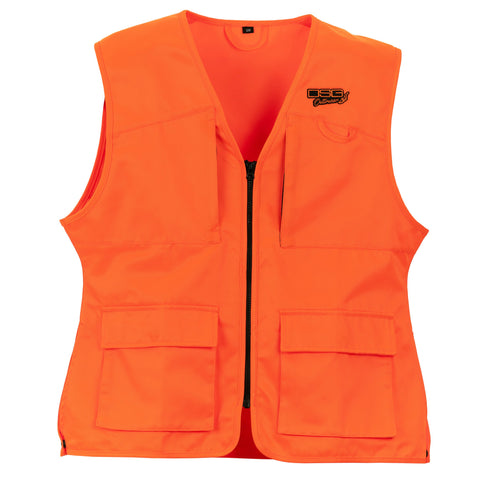
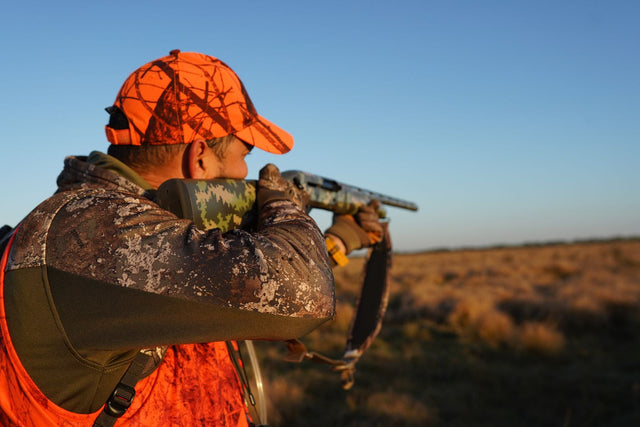
During gun season on private, leased and non-WMA public land, anyone hunting must wear at least 144 square inches of solid hunter orange or fluorescent pink above the waist, or a full-size orange or pink hat or cap. Camo orange and shades of red don't count. The exemptions are specific: a stand at least 12 feet off the ground, an enclosed box stand, or an enclosed vehicle. Walk more than 20 feet from the truck to that exempt stand and the orange goes back on. Our blaze orange rules by state compares other states, and the blaze orange hunting gear collection has vests and caps that meet a solid-color rule.
Hunting a January rut
A late rut comes with its own problem, which Sykes has put plainly: an 85-degree January day keeps bucks from chasing in daylight, and heavy pressure pushes breeding activity into the night. His approach once January arrives is to hunt where the does are, close to bedding cover, so a buck that won't move far in daylight still has a reason to pass you. He also argues for staying in the stand longer on cold days, because deer get up and move several times through the day rather than only at first and last light.
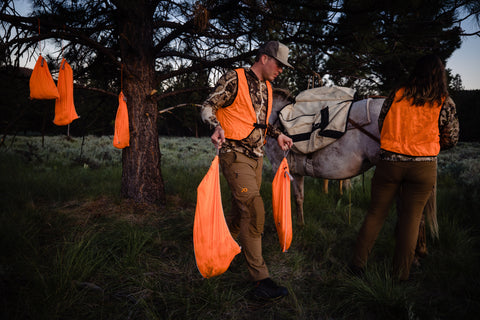
That's where a call earns its keep. A soft grunt to a buck that's checking does in thick cover can turn him your way without you having to move. The Killz Hands-Free Grunter hangs on a lanyard and works by mouth, which frees your hands for the gun or bow. If you're hunting the later cycle, our second-rut scent guide covers which states restrict real deer urine, and the 2026 rut timing breakdown lays out where the rest of the country stands. After the shot, a set of Orange Aglow Washable Game Bags keeps meat clean on a warm-weather drag, and the rest of the whitetail deer hunting gear is sorted by job.
Venator has not field-tested this gear; the picks come from the specifications and construction, and they were chosen by people who chase whitetail.
Frequently asked questions
When is the rut in Alabama?
It depends on where you hunt. ADCNR says the predominant rut for most of the state is the last two weeks of January through the first two weeks of February, much of north Alabama breeds from mid-December into early January, and some east Alabama pockets start in early November.
Why does Alabama have more than one rut?
Restocking. Deer were moved around the state from the Clarke County area and brought in from Arkansas, Georgia, Michigan, North Carolina, Ohio, Texas and Wisconsin, and the transplanted herds kept their original breeding schedules.
When does Alabama deer season end in 2027?
Gun season on private land runs to Feb. 10, 2027 in Zones A, B, C and the CWD Management Zone, and to Jan. 27, 2027 in Zones D and E. Several public-land and dog-hunting dates close earlier.
Do I need orange in a box stand in Alabama?
No. Enclosed box stands and stands 12 feet or higher are exempt, but you need orange or pink walking to them if the walk from the vehicle is more than 20 feet.
Sources: Alabama Department of Conservation and Natural Resources, "WFF's Rut Map Gives Hunters Useful Planning Tool" (Jan. 2, 2020) and "Whitetail Rutting Activity in Alabama Varies Widely" (Jan. 8, 2015); ADCNR Deer Season 2026-2027 page; ADCNR Hunter Orange or Fluorescent Pink Requirement page. All opened Nov. 27, 2026.
Always confirm all regulations with your state's wildlife agency before you hunt or fish. Seasons, limits and rules can change, sometimes mid-season.